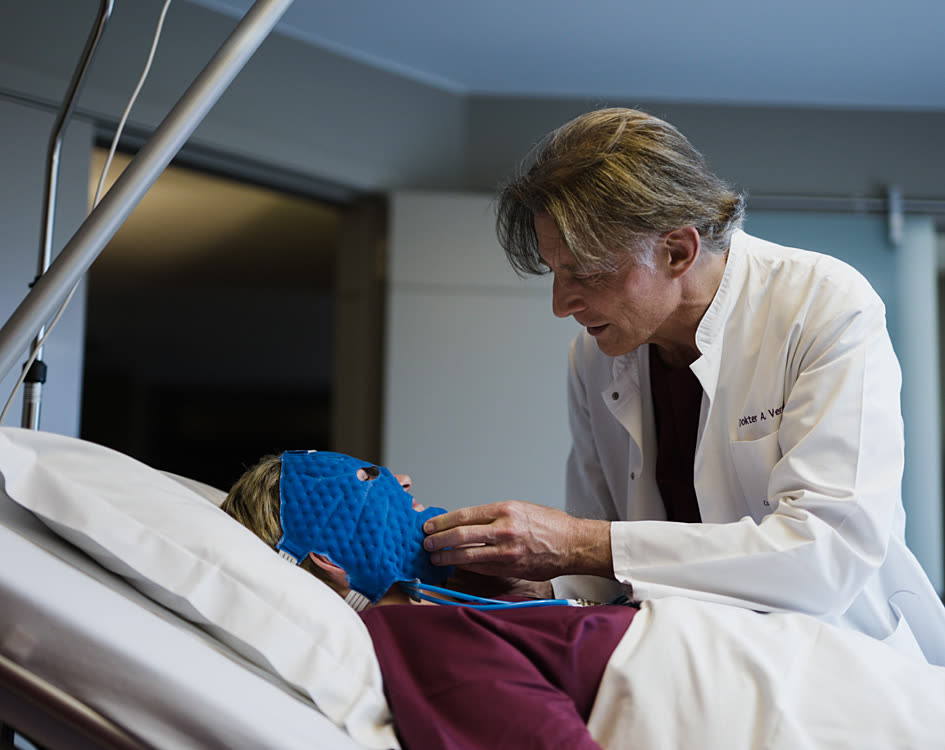
The consultation writes itself.
The surgeon marks the anatomy on a facial schema and talks through the plan as usual. Tiro listens, structures what was said and files it against the schema, so the note exists before the patient has left the room.
Facial schemas drawn in the recordDictation structured into the note, not a transcriptDiagnoses and plan captured as dataNote signed the same minute, not the same evening
The estimate leaves with the patient.
Most of this work is self-pay, so the estimate is part of the clinical conversation. Because the plan is structured, the quote is generated from it rather than retyped, and reimbursed acts sit next to private ones on the same case.
Quotes generated from the marked planSelf-pay and RIZIV acts on one caseSent and tracked from the recordNo second pass in a separate tool
The operating day is prepared before it starts.
Theatre slot, consent, materials and the pre-operative checklist hang on the same case. The team opens one view in the morning instead of reconstructing decisions from four sources.
Case linked to the theatre slotConsent captured and versionedChecklist visible to the whole teamOperative note structured per technique
Twelve months of follow-up on one timeline.
A post-operative program sets the rhythm: standardised photographs at week two, a questionnaire at week six, review at month three and month twelve. Each milestone lands on the case, so a MACS-lift from three years ago can be compared with one from last month.
Photo milestones on a scheduleStandardised views, filed to the casePROMs answered on any deviceSecure threads with the patient
A technique you can show, not just describe.
Because every case is structured the same way, the practice can look at a technique across hundreds of patients, which is exactly what a practice that teaches and publishes needs.
Outcomes grouped per techniqueSeries ready for teaching and publicationExport for reportingNothing re-entered to get there